

PeptiDerm15
Hydrolyzed marine collagen rich in bioactive tripeptides for skin beauty
PeptiDerm15 is a new generation hydrolyzed marine collagen, standardized to 15% collagen tripeptides, including 3% Gly-Pro-Hyp.
Derived from type I marine collagen, PeptiDerm15 has been developed to achieve a high concentration of very low molecular weight peptides (~300 Daltons), naturally present in the collagen structure. This specificity provides PeptiDerm15 with high absorption and clinically proven efficacy starting from 1 g per day. This low dosage enables a capsule delivery format, thereby eliminating the often unpleasant marine taste associated with powder consumption.
The efficacy of PeptiDerm15 has been evaluated in several preclinical and clinical studies, demonstrating benefits on skin hydration, skin elasticity, the appearance of wrinkles, as well as protection against photoaging (Pyun H.-B. et al., 2012; Choi S.Y. et al., 2014; Kim D.-U. et al., 2018). A pharmacokinetic study also highlights the high bioavailability of collagen tripeptides and their optimized absorption following oral ingestion (Yamamoto S. et al., 2016).
1. Skin aging and collagen degradation
2. Tripeptides: a specific form of collagen peptides
Collagen tripeptides are generating growing interest in the field of nutricosmetics due to their low molecular weight and their ability to be absorbed intact in the intestinal tract before entering the bloodstream.
PeptiDerm15 belongs to a new generation of extensively hydrolyzed, innovative, and naturally sourced marine collagens. It features a minimum collagen content of 90% in powder form and is standardized to a minimum of 15% tripeptides and 3% Gly-Pro-Hyp bioactive peptides, targeting the mechanisms involved in skin aging and skin quality.
This specificity provides PeptiDerm15 with high bioavailability and proven efficacy, making it a particularly attractive ingredient for nutricosmetic applications targeting skin aging and skin beauty.
1. Skin aging and collagen degradation
Collagen is one of the main structural proteins of the skin. Predominantly present in the dermis, it contributes to firmness, elasticity, and the maintenance of skin hydration.
With age, the natural production of collagen by fibroblasts gradually decreases.
Simultaneously, certain mechanisms involved in its degradation become more active.
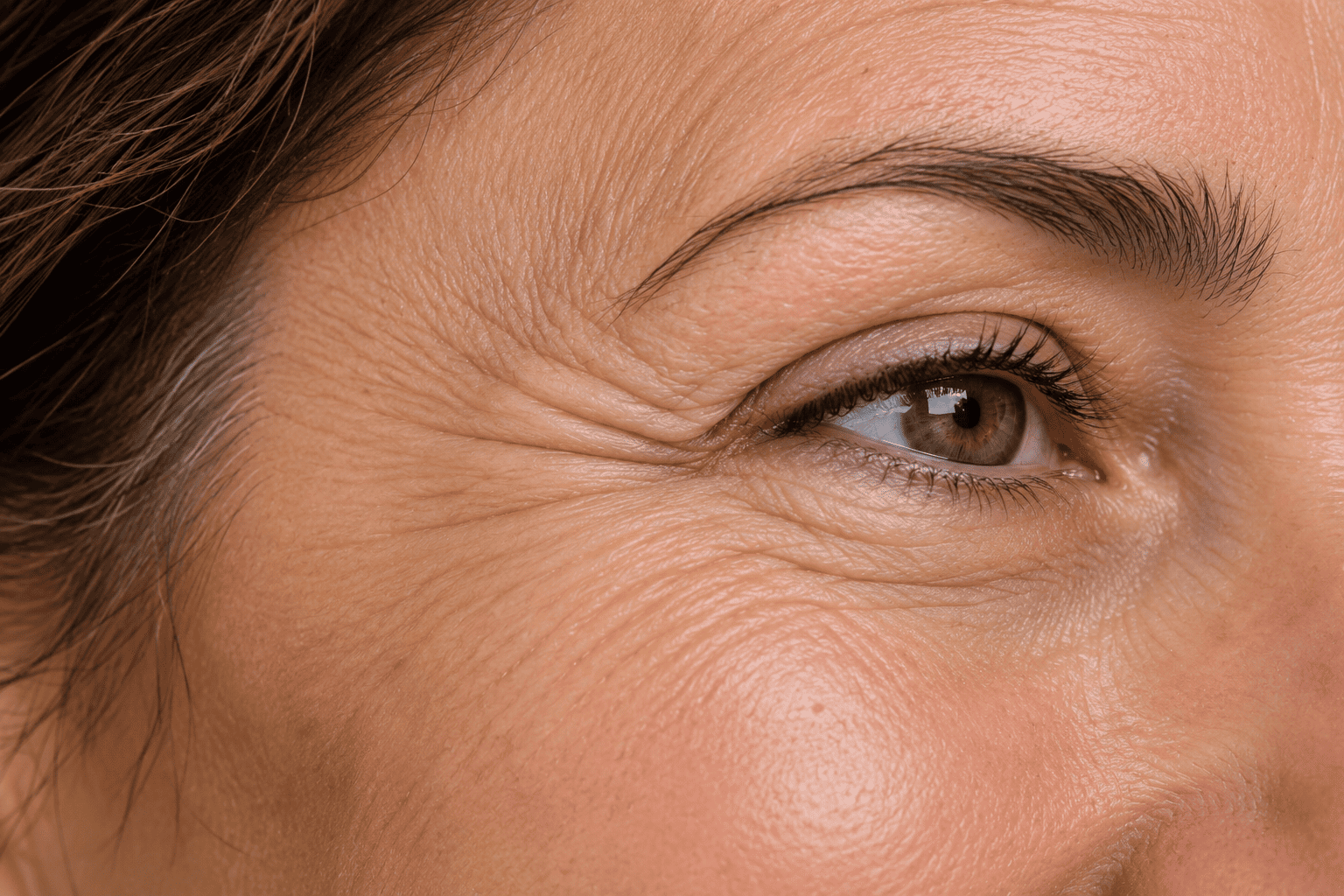
Among them, matrix metalloproteinases (MMPs) play a central role. These enzymes are capable of degrading the collagen and elastin fibers that make up the skin's extracellular matrix.
UV exposure, oxidative stress, and photoaging can particularly increase the activity of these enzymes, thereby accelerating the deterioration of the dermal structure.
This progressive evolution contributes to several visible signs of skin aging:
- appearance of wrinkles,
- loss of firmness and elasticity,
- decreased hydration,
- skin thinning,
- impairment of the skin barrier function.
In this context, collagen peptides are attracting growing interest for their ability to support the dermal matrix and skin beauty.
2. Tripeptides: a specific form of collagen peptides
Collagen naturally consists of a succession of amino acids organized in repeated sequences. Among them are very short peptides called tripeptides, composed of only three amino acids. The most widely studied is Gly-Pro-Hyp.
Standard hydrolyzed collagens contain peptides that are often long, with a high molecular weight (several thousand Daltons).
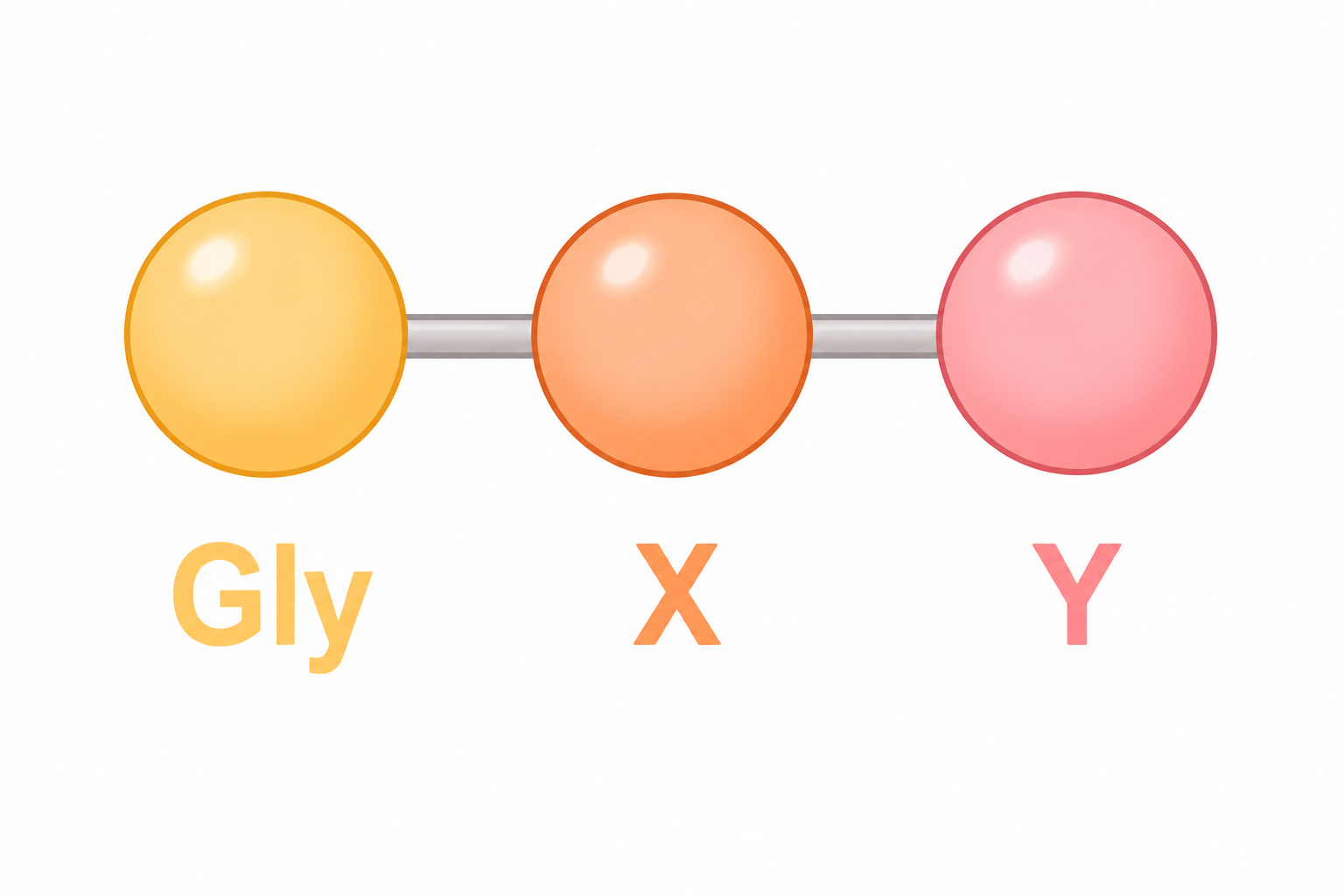
Thanks to a much more extensive hydrolysis process, PeptiDerm15 is standardized to a minimum of 15% tripeptides, including at least 3% of the bioactive peptide Gly-Pro-Hyp.
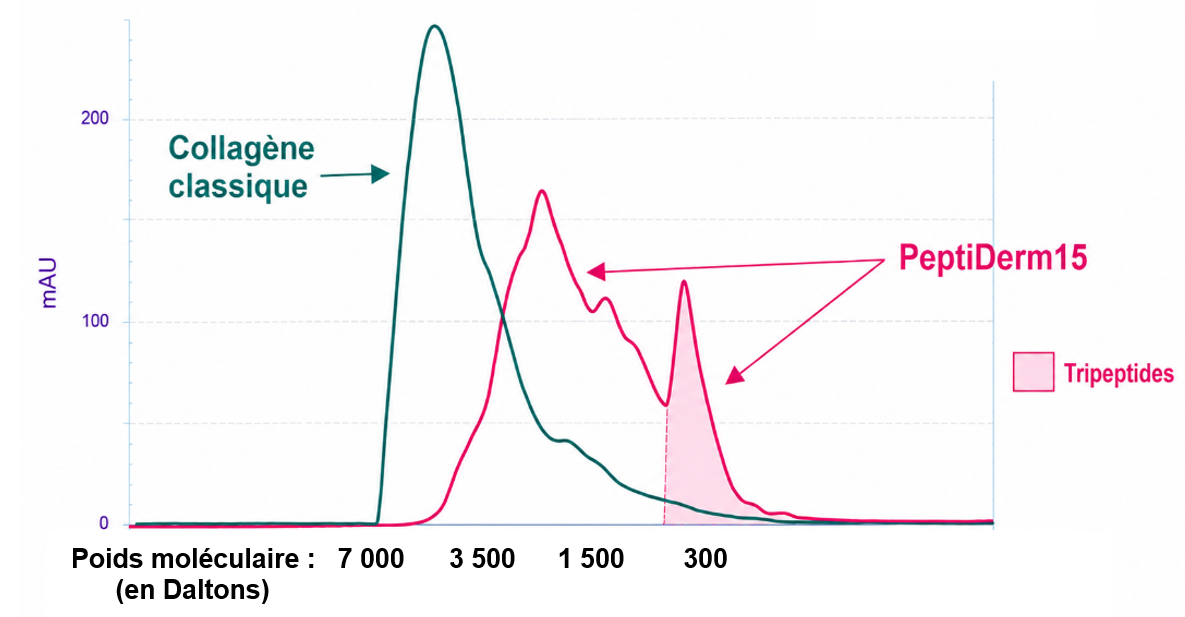
PeptiDerm15 and a standard collagen
This high proportion of very low molecular weight peptides constitutes one of the main technological specificities of the ingredient.
1. Clinical study at 1 g/day by Kim D.-U. et al. (2018)
1.1 Significant improvement in skin hydration
1.2 Visible reduction of wrinkles
1.3 Improvement in skin elasticity
2. Preclinical study by Pyun H.-B. et al. (2012)
2.1 Significant decrease in UV-induced wrinkles
2.2 Improvement in skin hydration and barrier function
2.3 Preservation of collagen fibers and reduction of the enzymes responsible for their degradation
2.4 Improvement in skin elasticity
1. Clinical study at 1 g/day by Kim D.-U. et al. (2018):
This is a randomized, double-blind, controlled clinical study.
The objective was to evaluate the effects of oral supplementation with PeptiDerm15 on hydration, elasticity, and wrinkles.
The study included 64 women aged 40 to 60 presenting with UV-aged skin and wrinkles around the eye contour (crow's feet).
Participants were randomly divided into two groups:
- a placebo group,
- a group receiving 1 g/day of PeptiDerm15.
The supplementation period was 12 weeks, with assessments at 0, 6, and 12 weeks.
Researchers used several instrumental and clinical methods to evaluate the product's effects:
- skin hydration measured by Corneometer®,
- wrinkle analysis by Visiometer® and dermatological evaluation,
- skin elasticity by Cutometer®.
Product safety was also monitored through biological analyses and the recording of adverse effects.
Significant improvement in skin hydration and barrier function
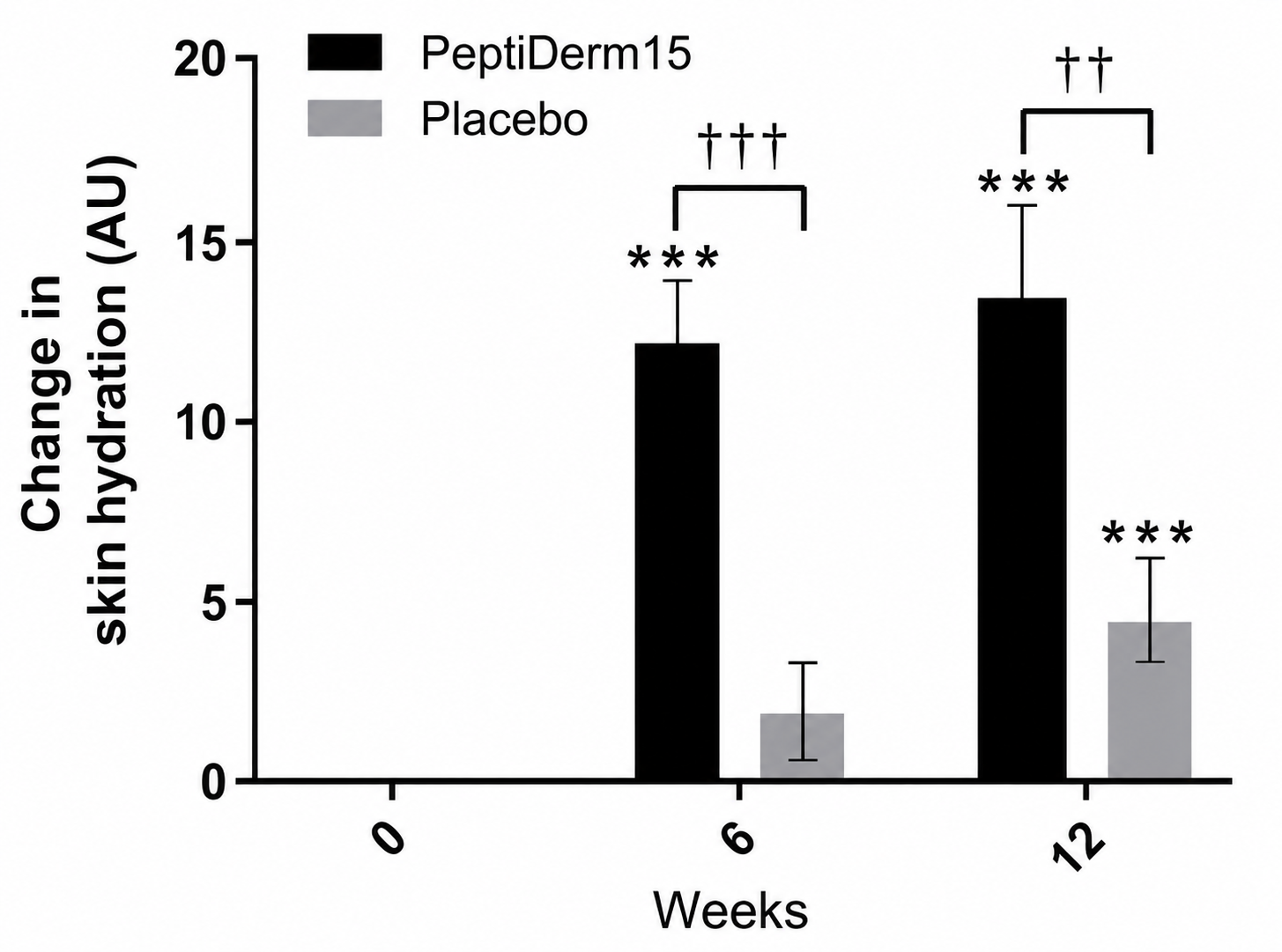
Participants supplemented with PeptiDerm15 showed a significant increase in skin hydration as early as 6 weeks (7.23 times higher than the placebo) (Figure 2).
Visible reduction of wrinkles
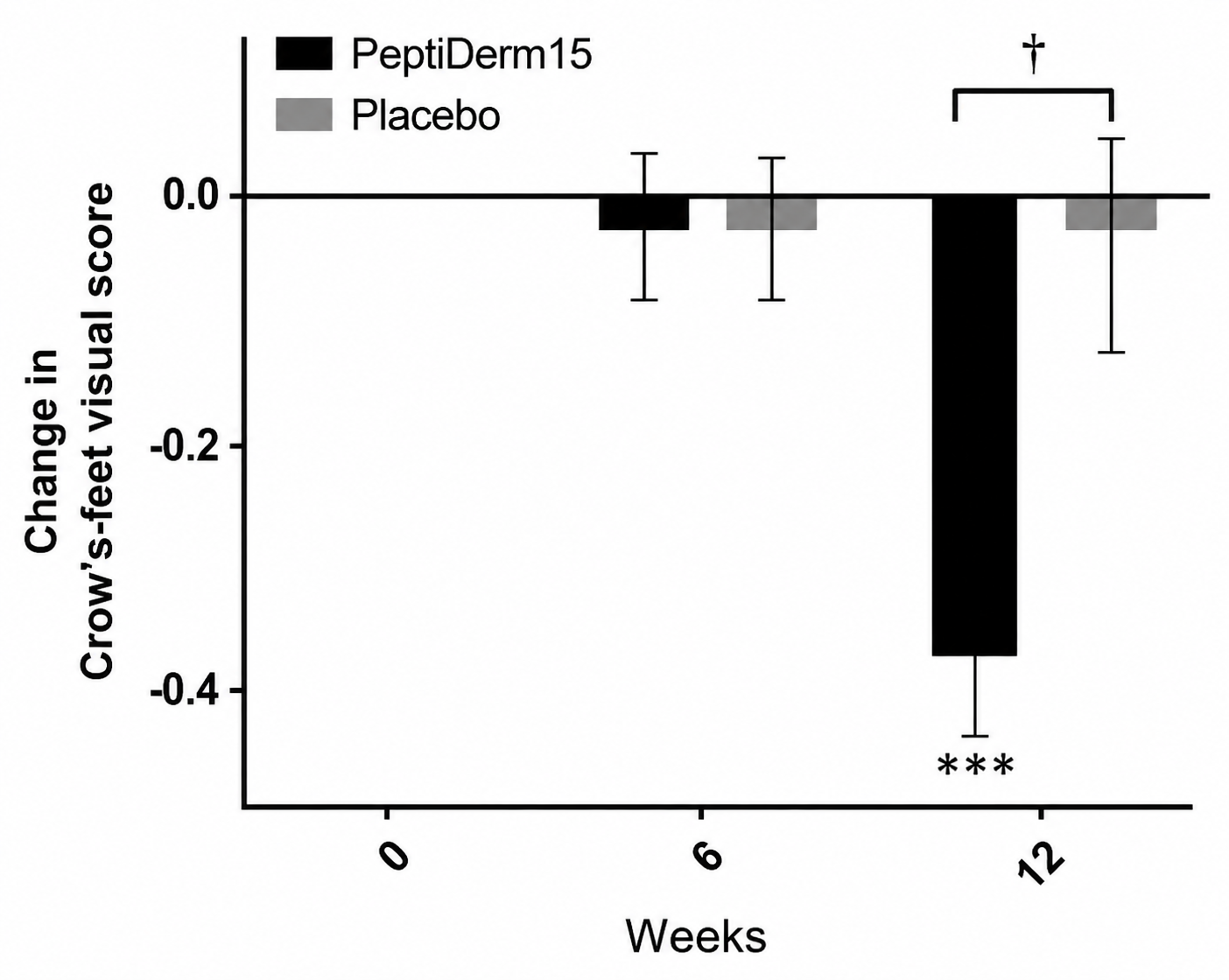
the eye contour
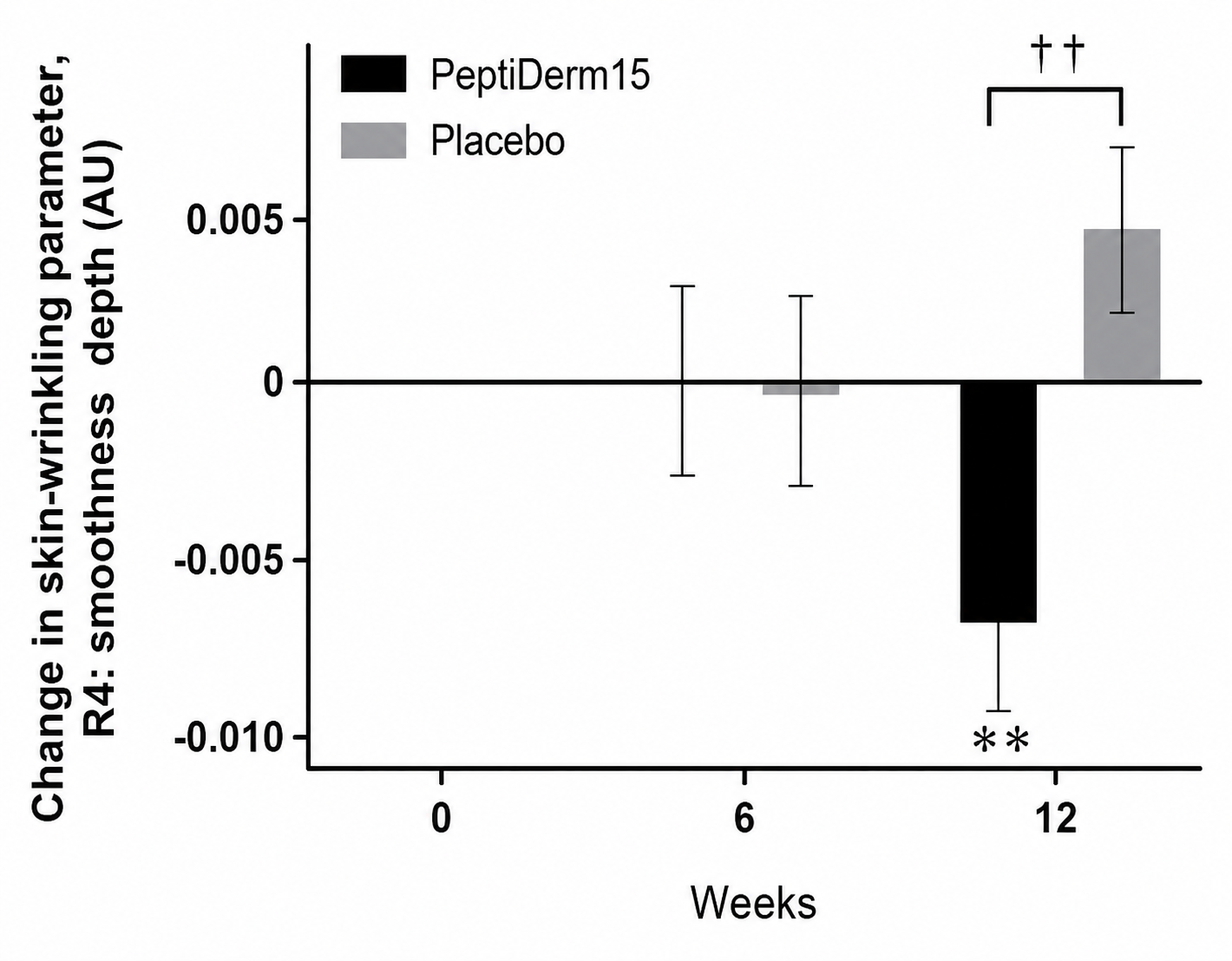
After 12 weeks of supplementation, dermatologists observed a significant improvement in wrinkles around the eye contour in the PeptiDerm15 group (Figure 3).
Instrumental analyses also showed a significant reduction in wrinkle depth (10.5 times lower than the placebo group) and a decrease in skin roughness (Figure 4).
Improvement in skin elasticity
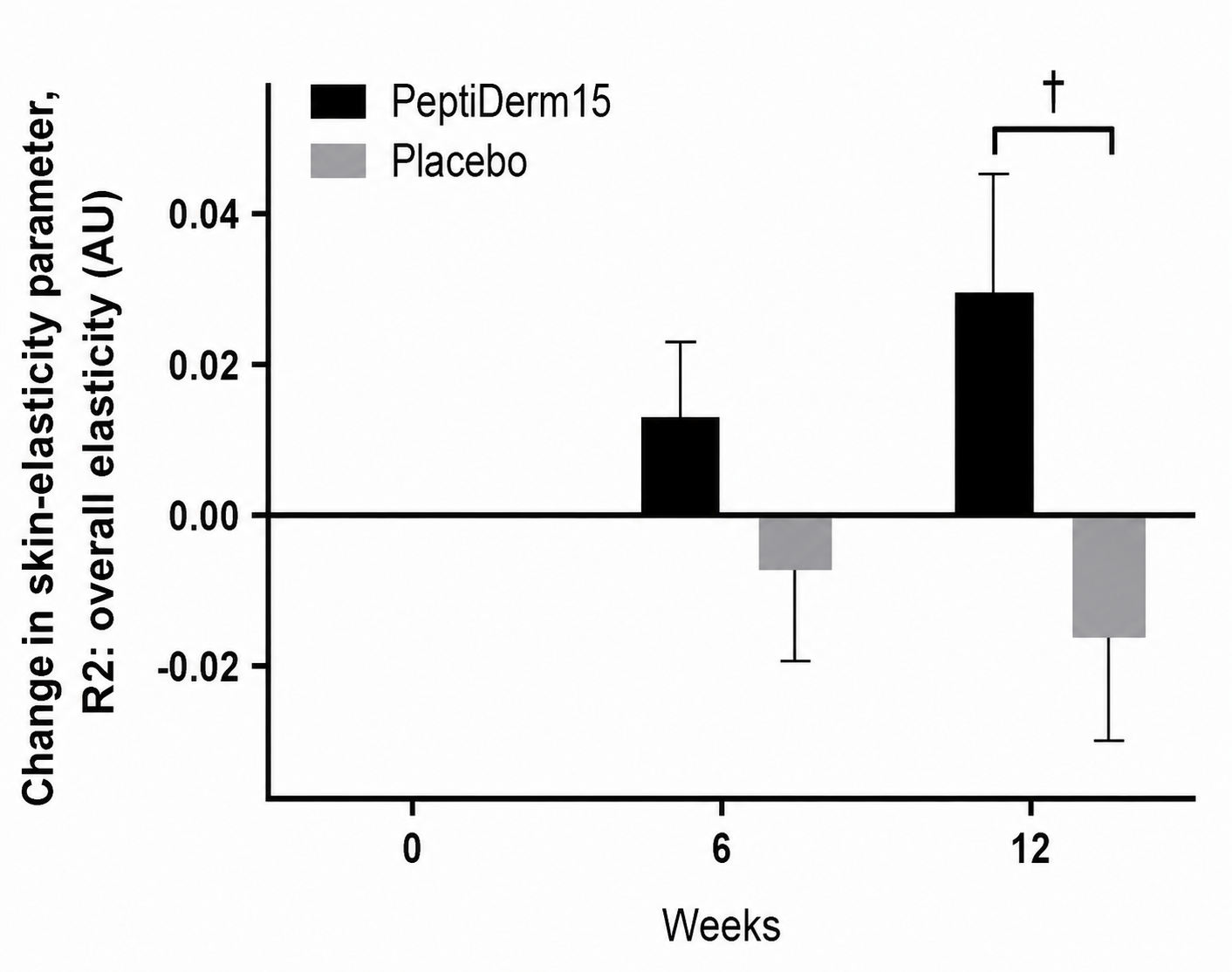
After 12 weeks of PeptiDerm15 supplementation, skin elasticity was significantly improved compared to the placebo (Figure 5).
Conclusion: This randomized, double-blind clinical study shows that daily supplementation with PeptiDerm15 at a dose of 1 g/day significantly improves several markers of skin aging from 6 weeks in women with UV-aged skin.
The results highlight:
- an increase in skin hydration,
- an improvement in elasticity,
- and a visible reduction in wrinkles.
2. Preclinical study by Pyun H.-B. et al. (2012):
This is an in vivo preclinical study conducted on a hairless mouse model (SKH-1) exposed to UVB rays to replicate the mechanisms of skin photoaging. The researchers' objective was to evaluate the effects of oral supplementation with PeptiDerm15 collagen (containing 15% of CTP tripeptides) on UV-induced skin damage.
Twenty female mice were divided into four groups:
- healthy control group,
- UVB-exposed group without supplementation,
- two UVB-exposed groups supplemented with PeptiDerm15 at different doses:
- 167 mg/kg/day (CTP-167),
- 333 mg/kg/day (CTP-333).
Supplementation was administered daily for 14 weeks, alongside UVB exposure three times a week.
a) Significant decrease in UV-induced wrinkles
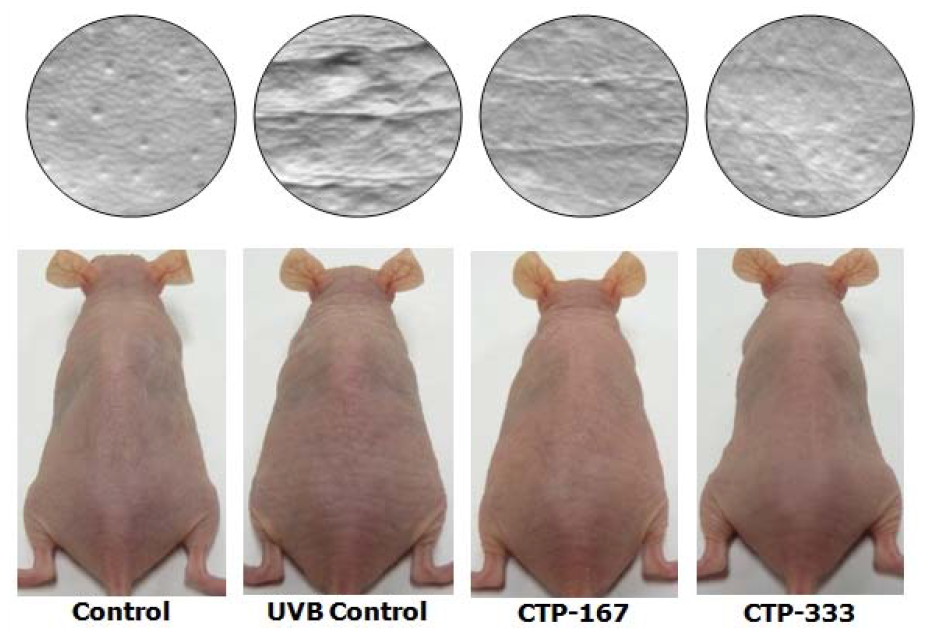
on wrinkle formation in UVB-exposed mice
UVB exposure caused significant wrinkle formation in non-supplemented animals (Figure 6). In contrast, mice receiving PeptiDerm15 showed a significant reduction:
- in the number of wrinkles,
- their depth,
- their length,
- as well as the total wrinkled area.
b) Improvement in skin hydration and barrier function
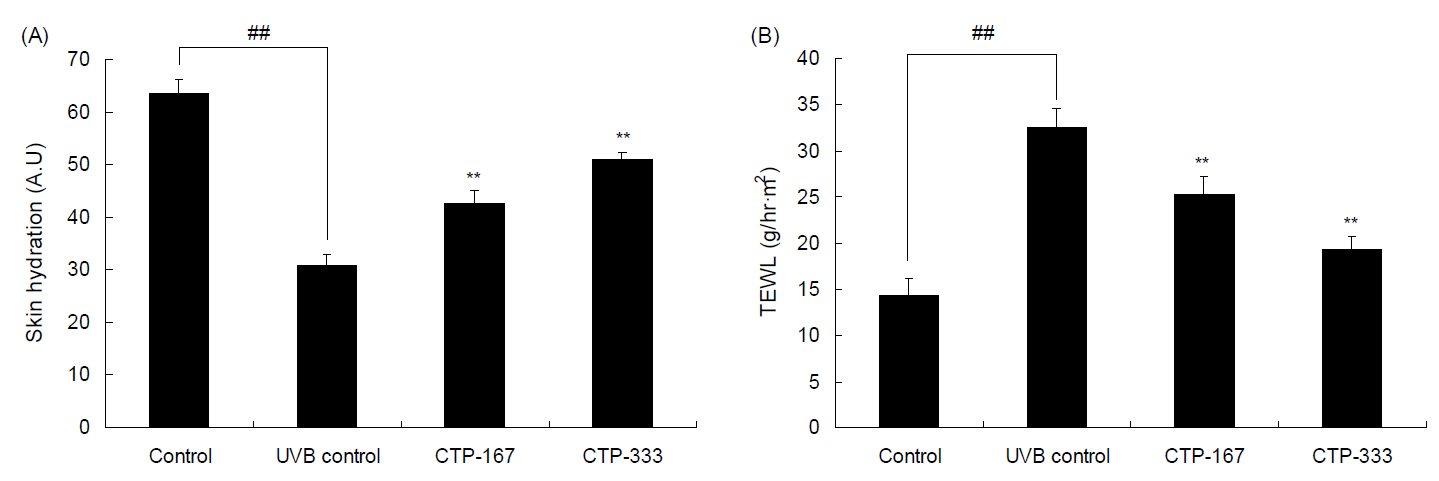
UVB rays severely damaged the skin's barrier function, leading to a decrease in hydration (Figure 7.A) and an increase in transepidermal water loss (TEWL) (Figure 7.B).
PeptiDerm15 supplementation significantly increased skin hydration, reduced TEWL, and thus improved the skin barrier function (with a dose-dependent effect).
The researchers emphasize that this improvement in the skin barrier directly contributes to reducing the visible signs of aging.
c) Preservation of collagen fibers and reduction of the enzymes responsible for their degradation
Histological analyses showed that UVB caused significant degradation of dermal collagen fibers. In animals supplemented with PeptiDerm15, collagen fibers were clearly better preserved.
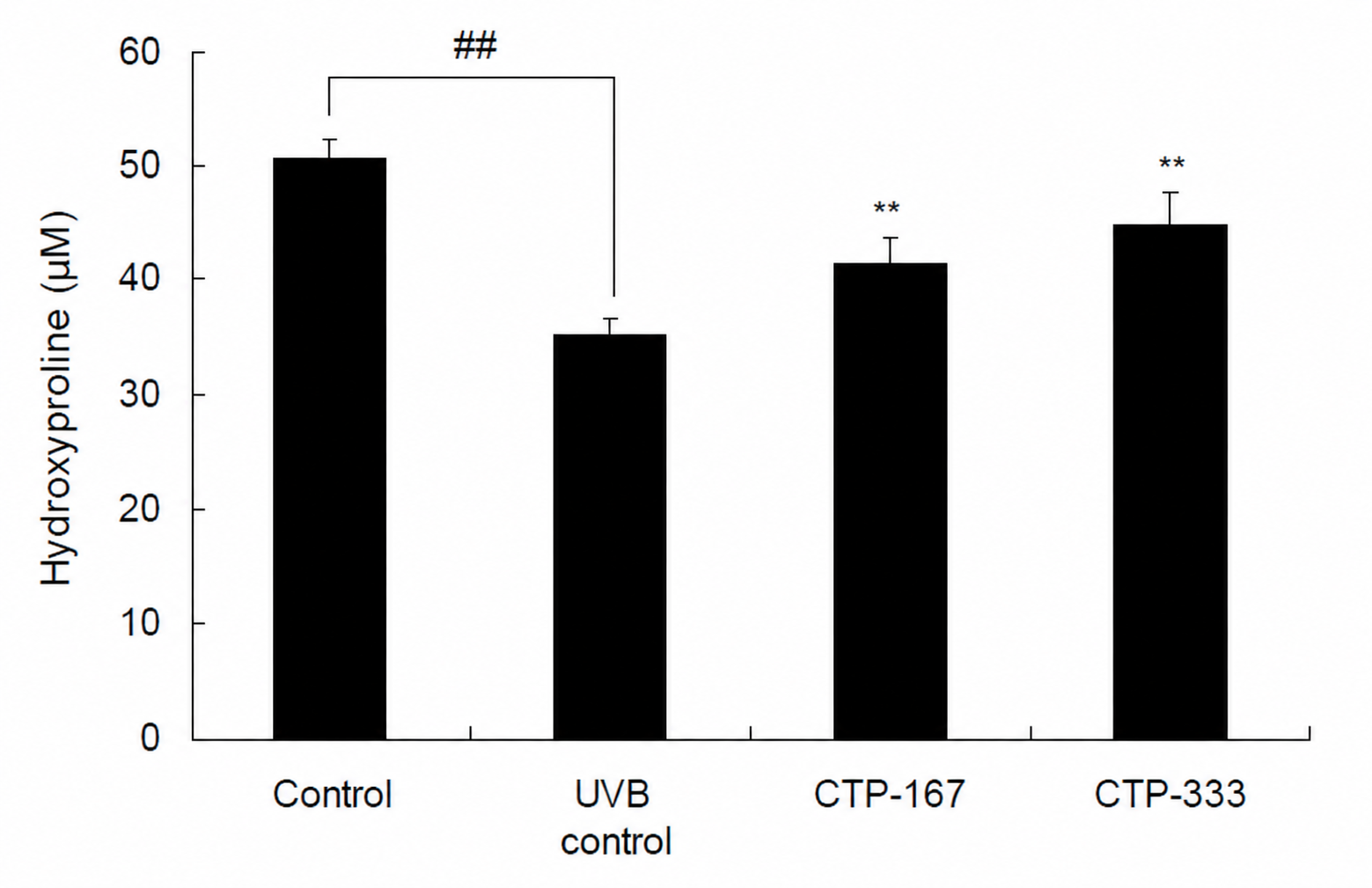
Furthermore, the hydroxyproline level (a marker of collagen content) was also increased in the supplemented groups (Figure 8), suggesting a better preservation of skin collagen.
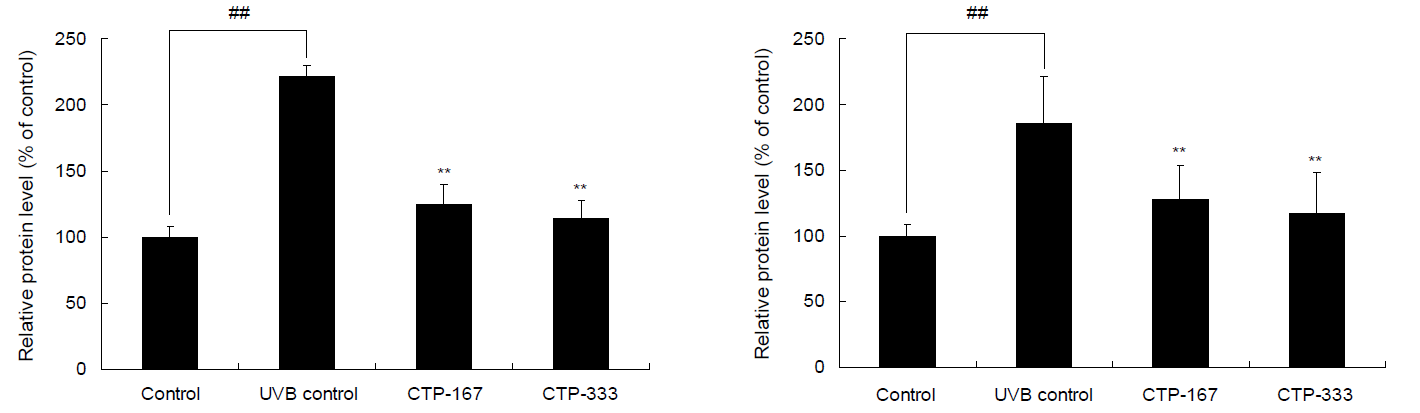
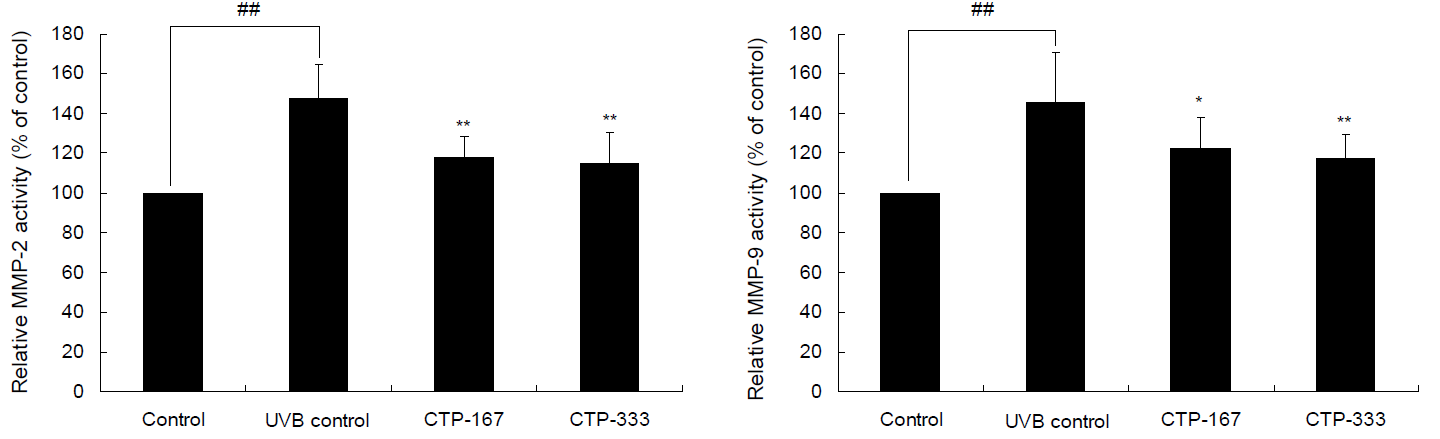
The study also shows that PeptiDerm15 significantly reduces the expression of MMP-3 and MMP-13 enzymes (Figure 9), as well as the activity of MMP-2 and MMP-9 (Figure 10).
These enzymes play a major role in photo-induced skin aging because they degrade the collagen and elastin fibers present in the dermis.
The authors thus conclude that PeptiDerm15 helps limit UVB-induced collagen destruction.
d) Improvement in skin elasticity
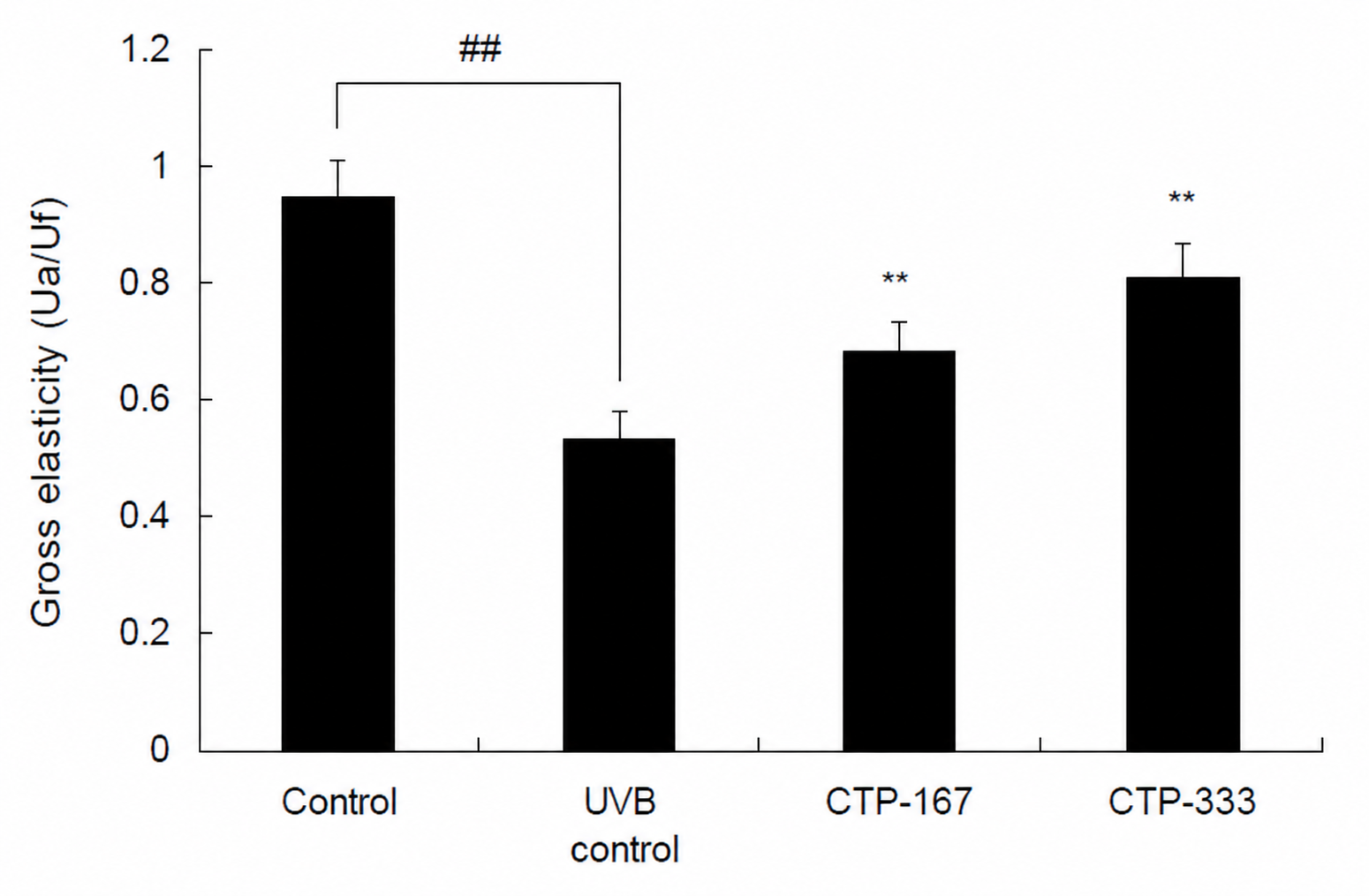
Supplemented mice also showed an improvement in skin elasticity (Figure 11), accompanied by a decrease in abnormal elastic fibers generated by UVB exposure.
According to the researchers, this effect is linked to better integrity of the dermal matrix and protection of the skin's support structures.
Conclusion: This preclinical study demonstrates that oral supplementation with PeptiDerm15 helps protect the skin against the effects of UVB-induced photoaging.
The results highlight:
- a visible reduction in wrinkles,
- an improvement in skin hydration and elasticity,
- a better barrier function,
- as well as the preservation of dermal collagen through the inhibition of the enzymes responsible for its degradation.
Sources
- Kim D.-U. et al. Oral Intake of Low-Molecular-Weight Collagen Peptide Improves Hydration, Elasticity, and Wrinkling in Human Skin: A Randomized, Double-Blind, Placebo-Controlled Study Nutrients, 2018.
- Pyun H.-B. et al. Effects of Collagen Tripeptide Supplement on Photoaging and Epidermal Skin Barrier in UVB-exposed Hairless Mice. Prev Nutr Food Sci, 2012.
General Information:
Collagen is a general-purpose food ingredient included in Annex III, Section XV of Regulation (EC) No 853/2004, which lays down specific hygiene rules for food of animal origin.
Due to a history of use of collagen prior to May 15, 1997, Regulation (EU) 2015/2283 on novel foods does not apply. Therefore, PeptiDerm15 can be used as an ingredient in food or included in the formulation of dietary supplements.
Collagen is authorized in France for use in dietary supplements through mutual recognition (Article 16 of Decree No 2006-352).
PeptiDerm15 comes as a white to pale yellow powder, with a slight marine odor and taste.
Capsule format, a true innovation: The marine notes of collagen powder can be highly unpleasant to the taste when consumed in this format. Thanks to its proven efficacy, the recommended dose of PeptiDerm15 is only 1 g per day, which unlocks this new capsule delivery format. This approach represents a real innovation, as it allows the required dose to be easily incorporated while fully masking the marine notes of the active ingredient.
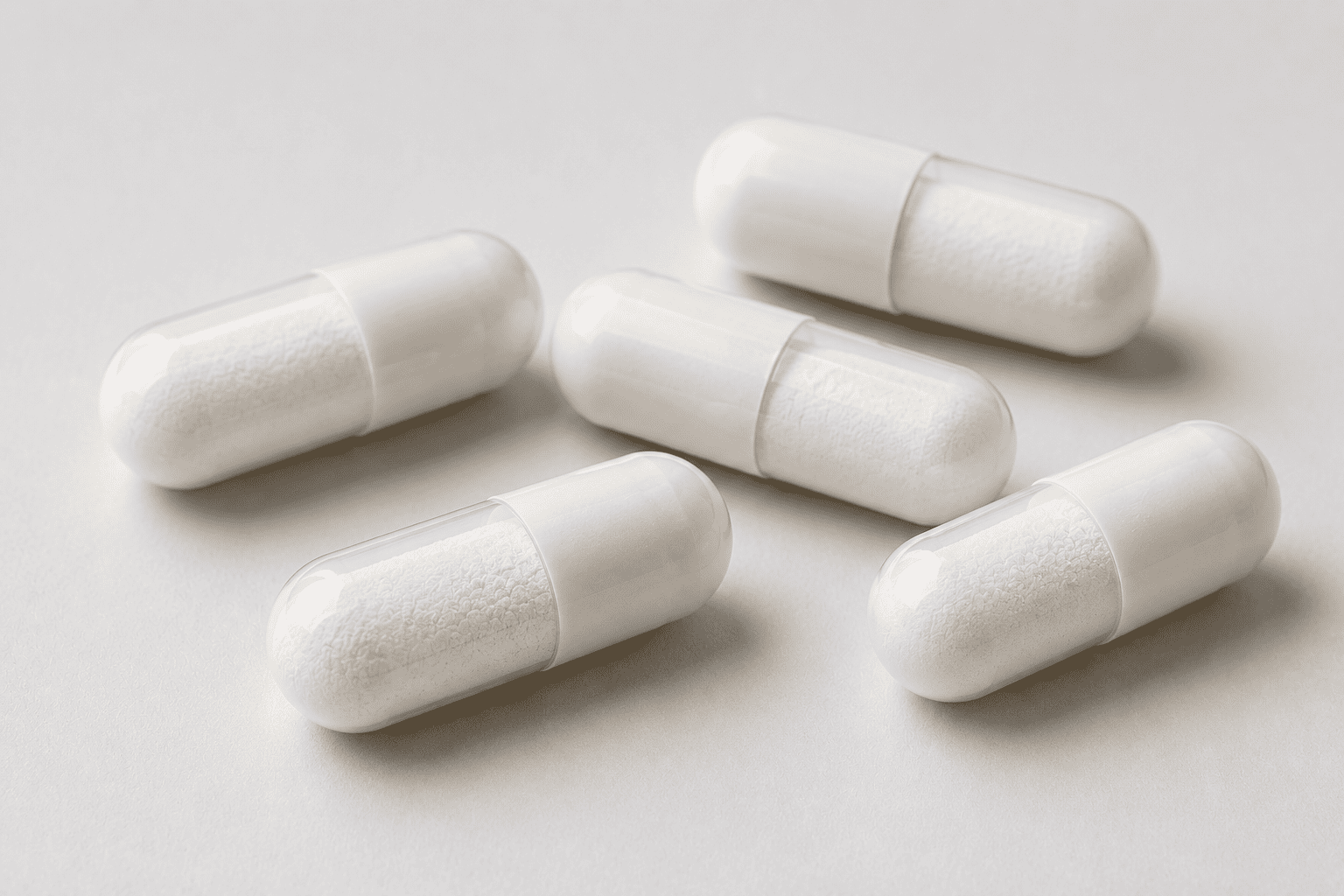
Thanks to this low usage dose, PeptiDerm15 offers great flexibility for your product developments targeting skin beauty and healthy aging.
1. Pending Health Claims ("On Hold")
2. Usable Beauty Claims for Collagen
1. Pending Health Claims ("On Hold")
Collagen is the subject of several health claim applications listed in the European Register of Health Claims. These claims have not yet been evaluated by EFSA but belong to the category of "on hold" claims.
In accordance with Regulation (EC) No 1924/2006 on nutrition and health claims made on foods, these claims may continue to be used under the responsibility of business operators in certain Member States until a final decision is adopted.
Pending claims related to collagen:
- Contributes to maintaining skin firmness and elasticity
- Contributes to maintaining skin structure and elasticity
- Helps the skin preserve its firmness and elasticity
2. Usable Beauty Claims for Collagen
To date, no European regulation officially defines beauty claims applicable to dietary supplements.
This category of claims relies on the interpretation of Regulation (EC) No 1924/2006 and the distinction between:
- claims referring to a physiological function (health claims)
- claims relating to appearance or aesthetic characteristics (beauty claims)
The DGCCRF (French Directorate General for Competition, Consumer Affairs and Fraud Control) specifies, particularly in a FAQ Question 16, that certain claims related to beauty, skin elasticity, or the appearance of wrinkles can be considered beauty claims when they do not refer to a physiological mechanism and are properly substantiated.
Furthermore, Food Supplements Europe (FSE), the European association for the food supplement sector, has published guidelines dedicated to the scientific substantiation of beauty claims. These indicate that claims related to skin beauty, wrinkles, firmness, or elasticity can be used when supported by appropriate clinical studies.
Usable beauty claims for PeptiDerm15 according to the FSE:
Clinical studies conducted on PeptiDerm15 have shown significant benefits starting from 1 g/day after 6 to 12 weeks of supplementation.
Skin Hydration
- "Improves skin hydration"
- "Contributes to better hydrated skin"
- "Promotes a hydrated skin appearance"
Skin Firmness
- "Improves skin firmness"
- "Contributes to firmer skin"
Skin Elasticity
- "Improves skin elasticity"
- "Contributes to more supple skin"
Wrinkle Appearance
- "Visibly reduces the appearance of wrinkles"
- "Helps smooth the appearance of the skin"
Overall Beauty
- "Contributes to skin beauty"
- "Promotes younger-looking skin"
- "Contributes to smoother and more radiant skin"